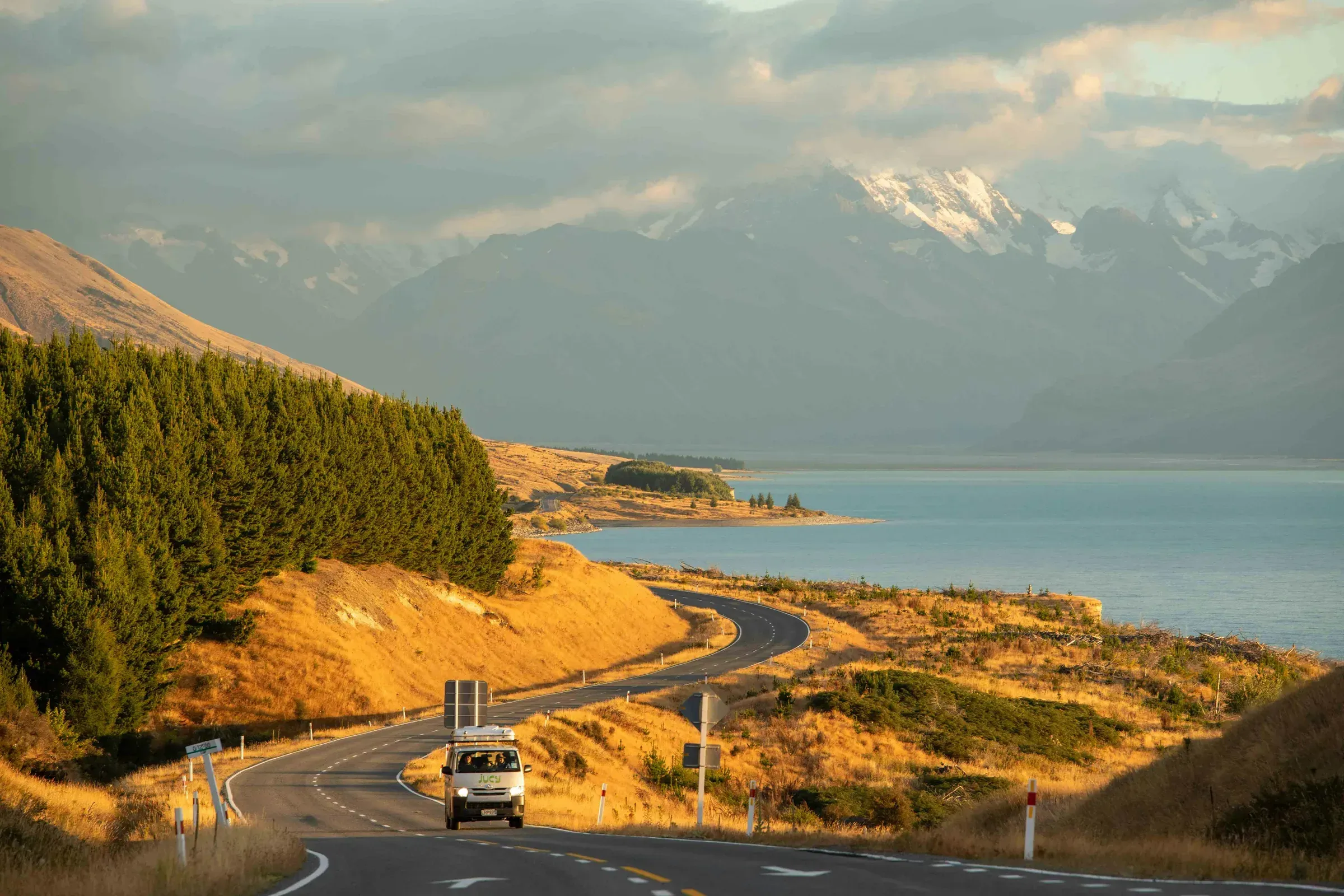
One of the most impressive places on New Zealand's North Island is Tongariro National Park. The park is known for its volcanic landscapes, craters, lava fields, bright blue lakes and rugged peaks. In places it feels almost like you're walking on another planet.
Tongariro National Park isn't just any nature area. It's New Zealand's oldest national park and a UNESCO World Heritage Site, both for its natural value and for its cultural significance to the Māori. The volcanoes here, including Mount Tongariro, Mount Ngauruhoe and Mount Ruapehu, play an important role in the country's history and culture.
For many travelers, Tongariro National Park is an absolute highlight of a North Island road trip. The famous Tongariro Alpine Crossing in particular draws travelers from all over the world. It's often called one of New Zealand's most beautiful day hikes.
What makes Tongariro National Park special?
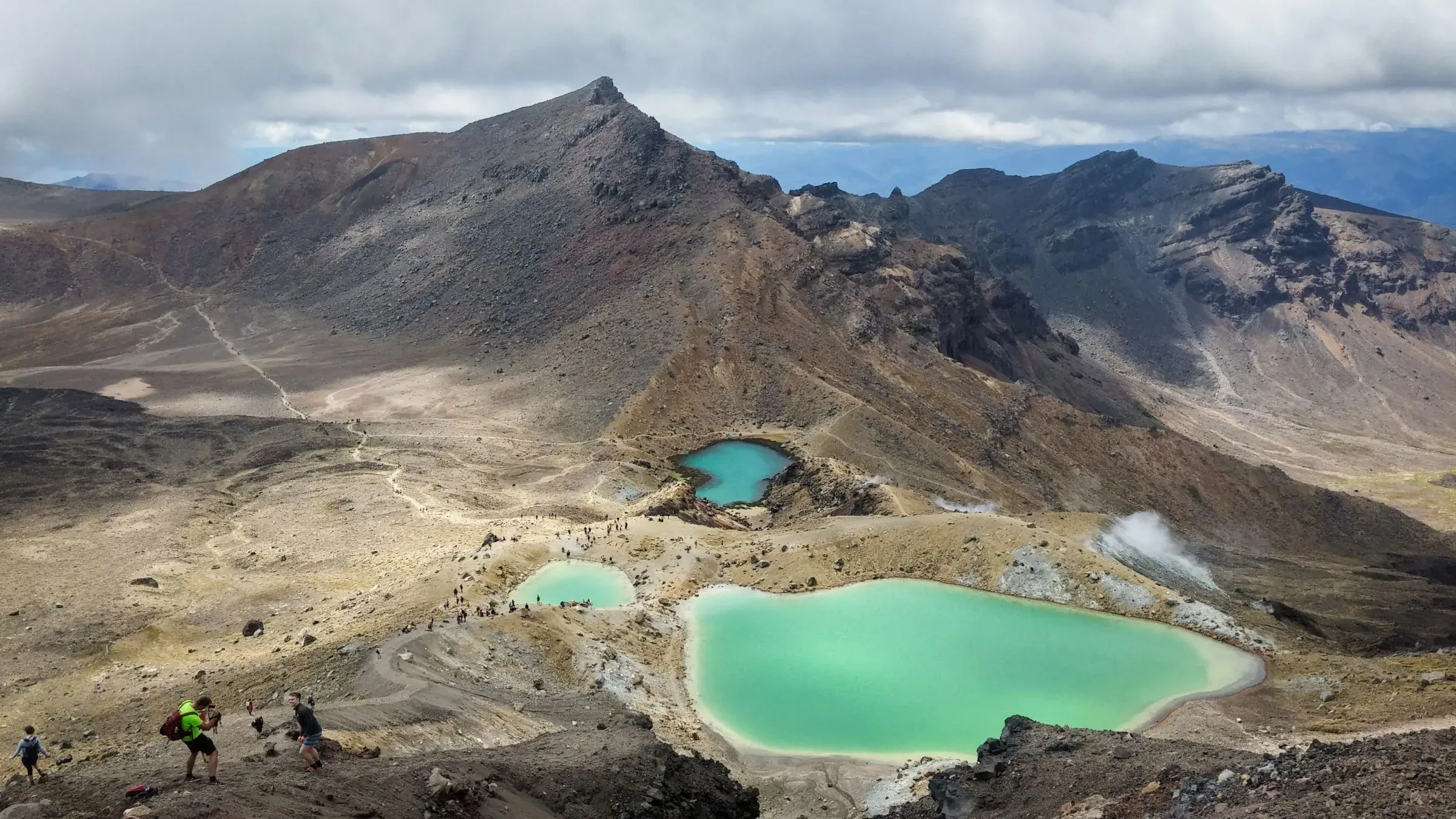
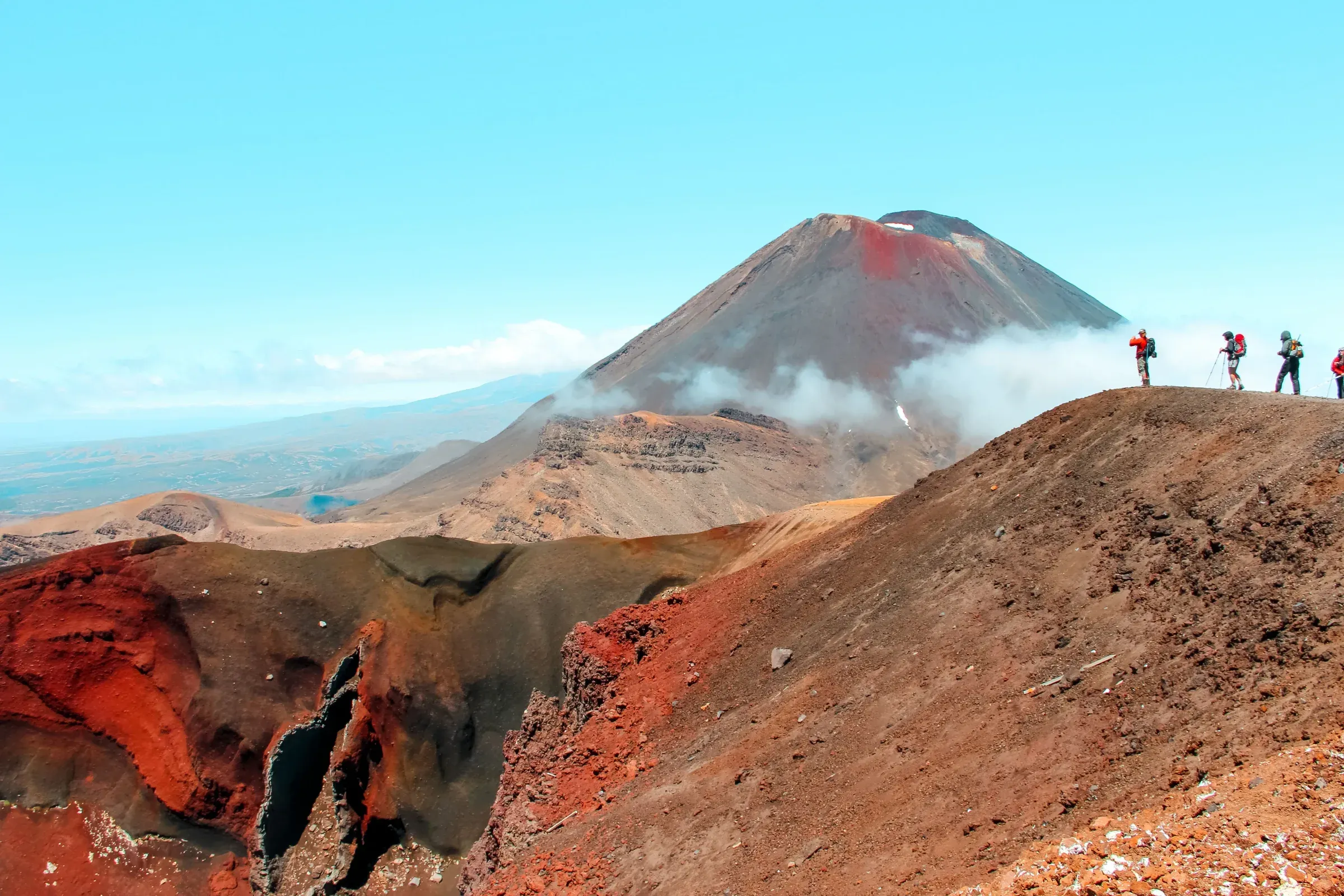
Tongariro National Park is completely different from most other places in New Zealand. Elsewhere you'll mostly see green hills, lakes or forest, but here you walk through a rugged volcanic landscape. Think black lava fields, red craters, steaming ground, brightly colored lakes and views of active volcanoes.
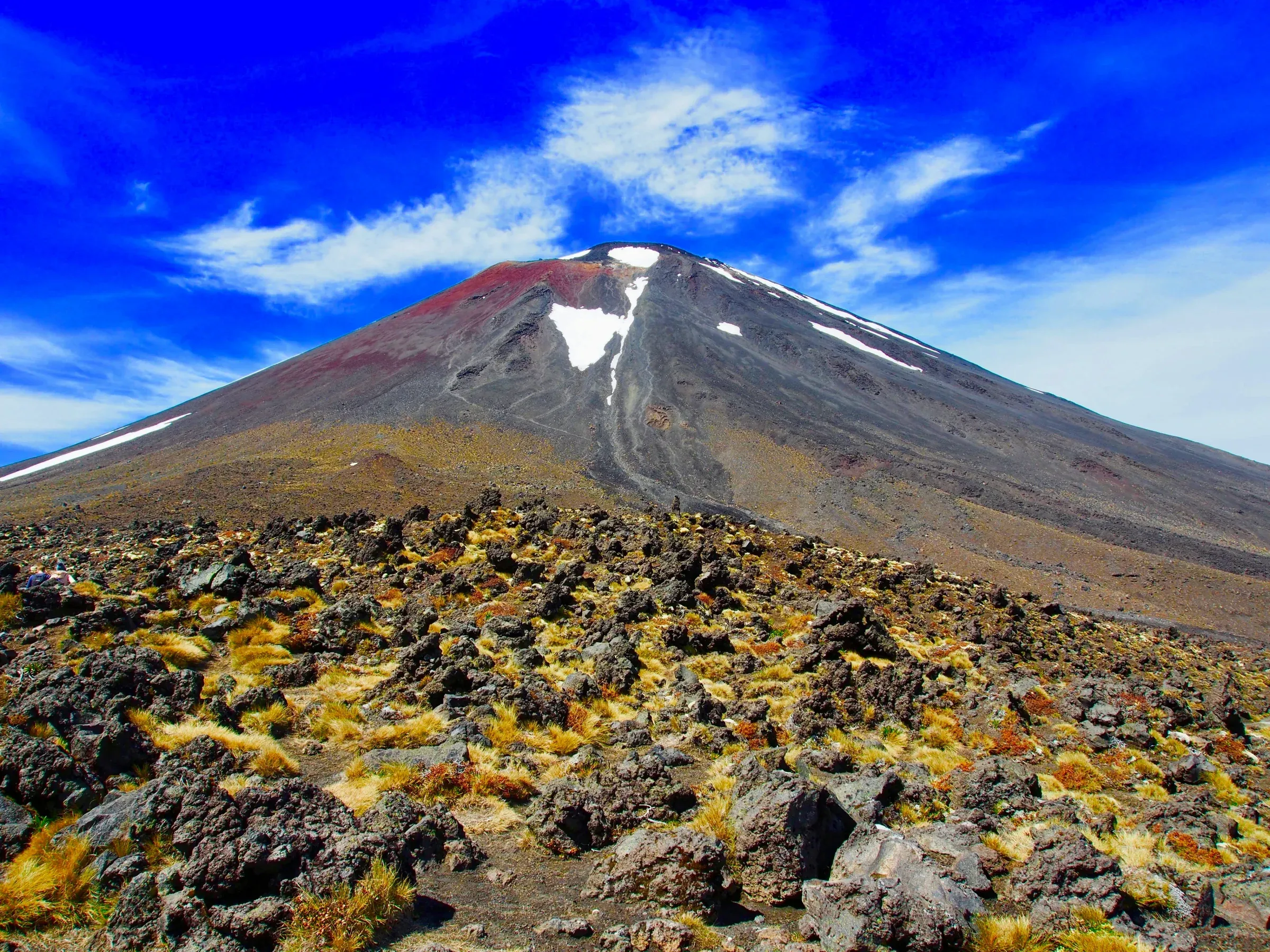
The park also became famous thanks to The Lord of the Rings. Mount Ngauruhoe was the inspiration for Mount Doom, which makes the area extra special for fans of the movies. But Tongariro is impressive enough without that connection. The landscape is raw, open and at times almost surreal.
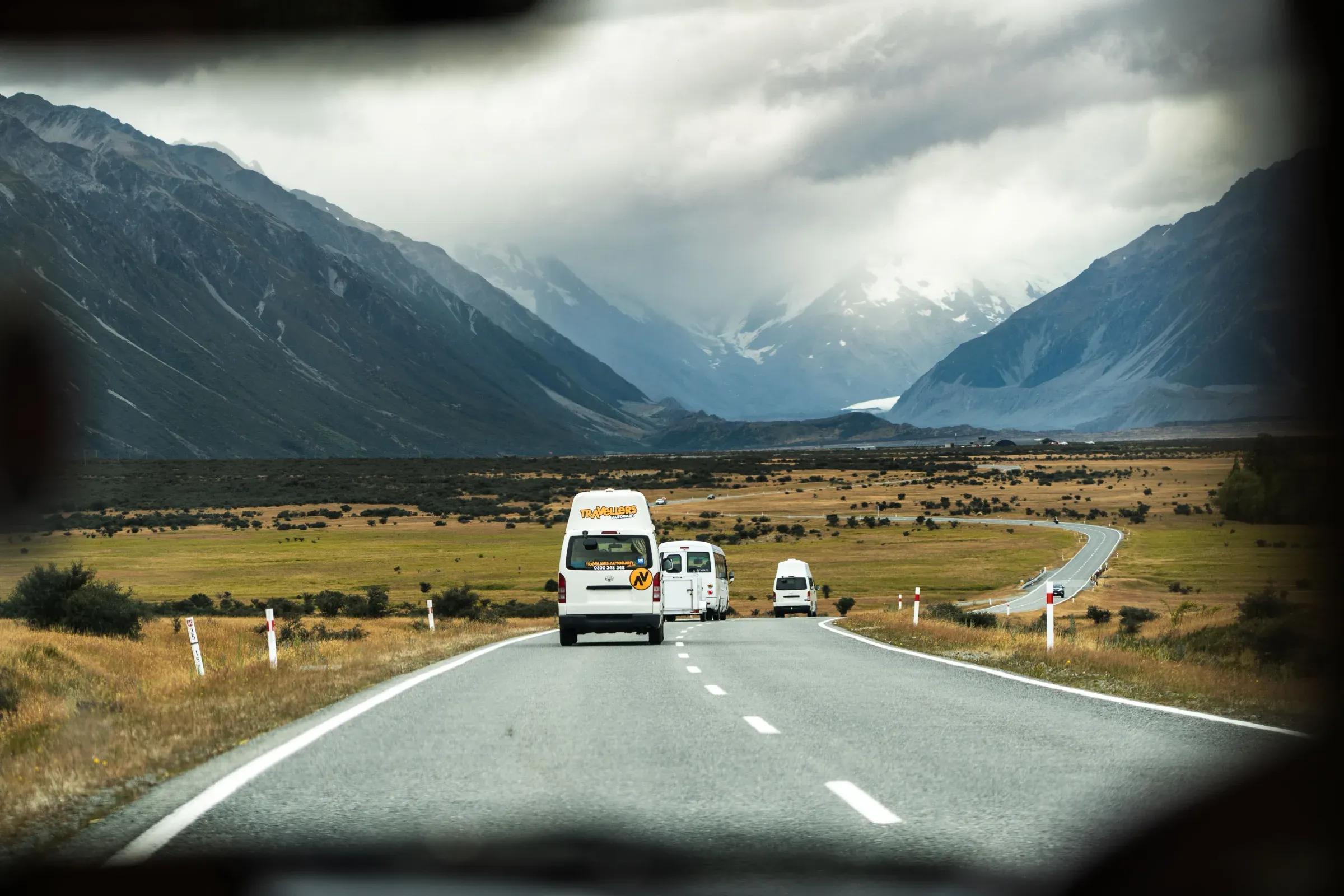
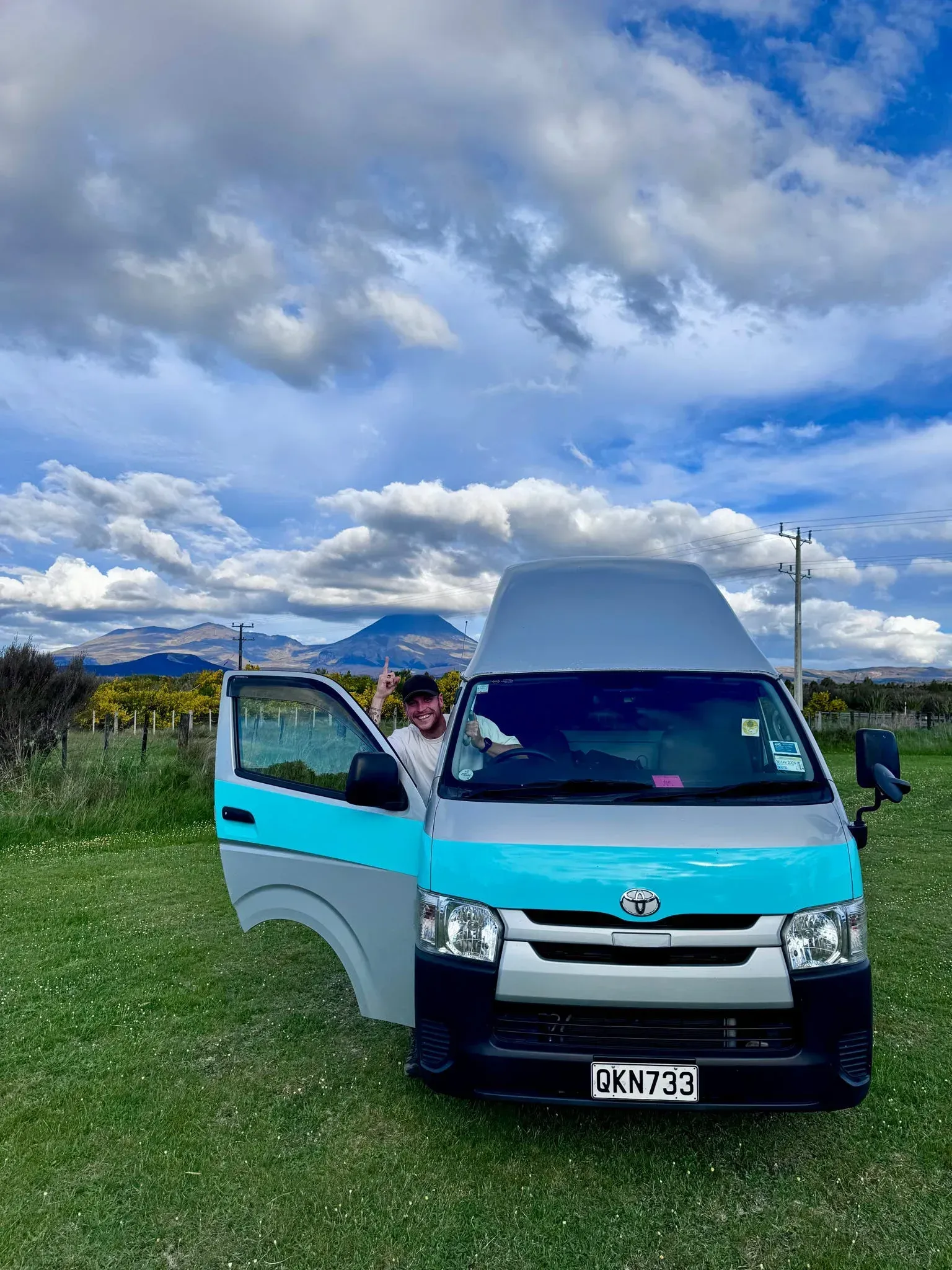
If you're traveling New Zealand by campervan, Tongariro National Park is a natural stop between Lake Taupo, Rotorua and Wellington. It's in the middle of the North Island, so it fits easily into your campervan route.
Tongariro Alpine Crossing
The best-known thing to do in the park is, without a doubt, the Tongariro Alpine Crossing. This hike is about 19.4 kilometers long and runs right through the volcanic heart of the park. You walk past lava fields, craters, mountain passes and the famous Emerald Lakes.
The hike is beautiful, but it's also tough. You're walking for hours over open terrain, with a fair amount of climbing and then a long way down. Plan on 6 to 8 hours on average, depending on your pace, the weather and how many breaks you take.
For many travelers, the highlight of the route is the view of the Red Crater and the Emerald Lakes. The colors of the lakes look almost unreal and stand out sharply against the dark volcanic landscape around them.
The Tongariro Alpine Crossing is a popular hike, but don't underestimate it. It's not a short stroll, it's a serious day hike in alpine terrain. Good shoes, warm clothes, rain gear and enough water and food really matter.
Good to know about the Tongariro Crossing
The Tongariro Alpine Crossing isn't a loop. You finish somewhere else than where you start, which is why most travelers use a shuttle bus. It drops you at the start and picks you up at the end, or the other way around, depending on the shuttle company.
The weather plays a big role on this hike. Even in summer it can be cold, windy and foggy up top. In bad weather the hike can get dangerous, and shuttles are sometimes canceled. So always check the forecast ahead of time and listen to the advice of the local shuttle companies or DOC.
For several years now, the Tongariro Alpine Crossing has had a booking system. It's meant to manage the crowds and better protect the area. So always check the current rules and reservation options before you plan your hike.
Other hikes in Tongariro National Park
The Tongariro Alpine Crossing gets all the attention, but the park has other beautiful hikes too. They're ideal if you have less time, if the weather isn't good enough for the Crossing, or if you just want to fit in another walk.
Taranaki Falls Track
The Taranaki Falls Track is a beautiful loop of about 6 kilometers. It starts in Whakapapa Village and takes you through open country, past lava fields and finally to an impressive waterfall.
This walk is much easier than the Tongariro Alpine Crossing and usually takes 2 to 3 hours. It's a great option if you want a shorter hike but still want a real feel for the volcanic landscape.
Tama Lakes Track
The Tama Lakes Track is a longer, quieter hike to two crater lakes between Mount Ruapehu and Mount Ngauruhoe. The route is about 17 kilometers round trip and takes 5 to 6 hours on average.
This hike is less famous than the Tongariro Alpine Crossing, but it's absolutely worth it. You walk through open volcanic country with beautiful views of the mountains along the way. Because it's less busy, it often feels much more peaceful.
Staying overnight with a campervan near Tongariro National Park
If you're traveling New Zealand by campervan, there are several places to stay near Tongariro National Park. Popular bases are National Park Village, Whakapapa Village and Turangi.
National Park Village is handy if you want to do the Tongariro Alpine Crossing, since many shuttle companies leave from there. Turangi is a bit farther away, but it's also a popular spot, with campgrounds, stores and good connections toward Lake Taupo.
Freedom camping in and around the national park is limited and depends on local rules. Always check carefully where you're allowed to stay, especially if you're traveling in a self-contained campervan. If you want it easy, a holiday park or campground in National Park Village or Turangi is often the best choice.
How long do you need for Tongariro National Park?
I'd recommend at least two nights for Tongariro National Park. That gives you one full day for the Tongariro Alpine Crossing and some extra flexibility for the weather. It would be a shame to have only one shot and then lose the hike to bad weather.
With more time, you can also walk to Taranaki Falls or the Tama Lakes on top of the Crossing. Especially if you love hiking, this area deserves more than one day.
Practical tips for the Tongariro Alpine Crossing
- Prepare well if you want to do the Tongariro Alpine Crossing. Bring enough water and food, wear sturdy hiking boots and dress in layers. The weather can change fast, and up top it can be much colder than down below.
- Book your shuttle early, especially in high season. Always check the latest weather forecast and the track status too. Don't go if local experts or shuttle companies say conditions aren't safe.
- Remember that you're walking through a special, culturally important landscape. Stay on the trail, pack out all your trash and respect the environment.