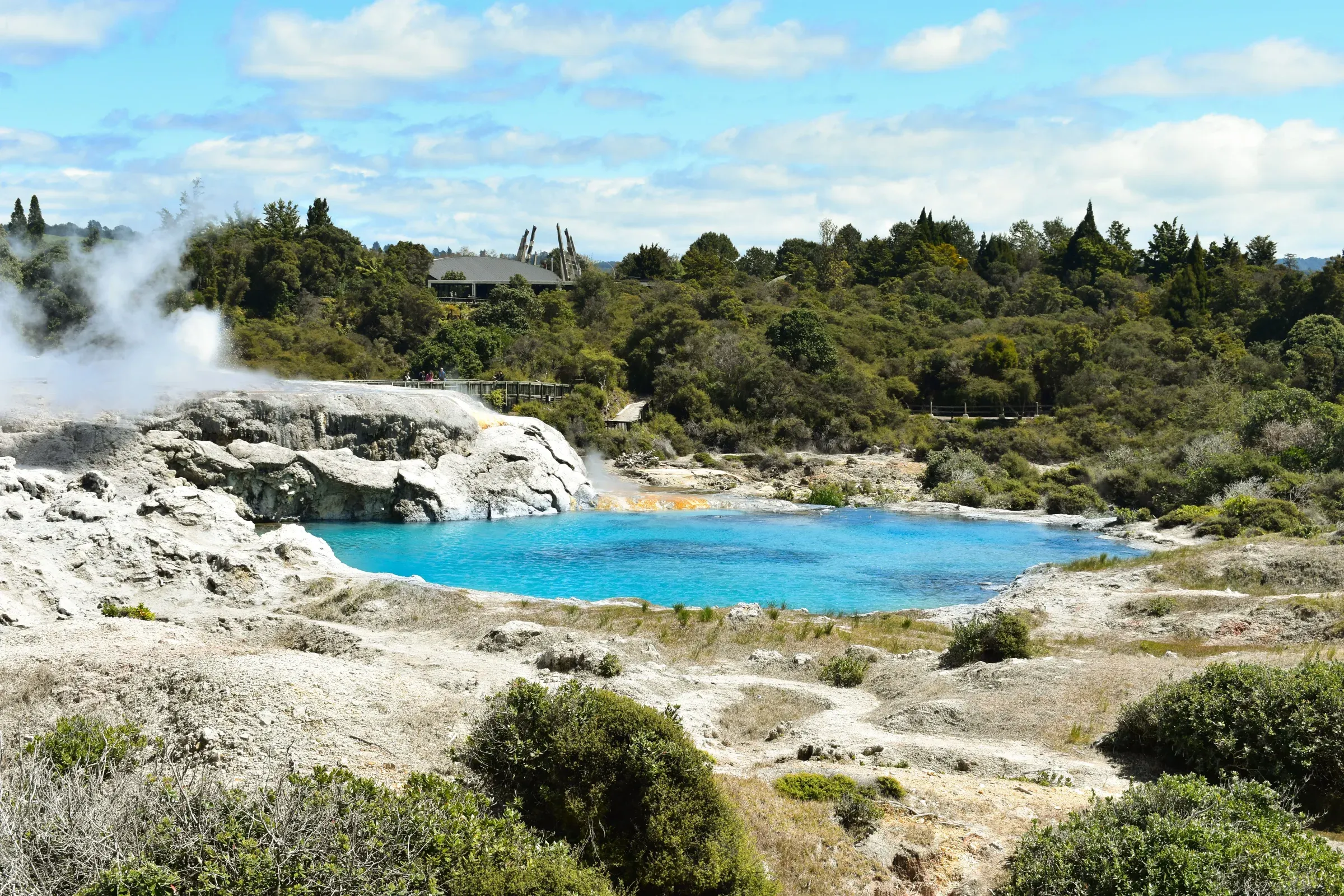
Rotorua is one of the most unusual places on New Zealand's North Island. The city lies in the Bay of Plenty and is known for its geothermal activity, Māori culture, hot springs, mud pools and strong sulfur smell. The smell might take a moment to get used to, but it's all part of the experience.
In Rotorua you can literally feel that the earth is alive. Everywhere you look there's steam rising from the ground, bubbling mud pools, hot springs and colorful geothermal landscapes. At the same time, Rotorua is one of the best places in New Zealand to learn about Māori culture. That combination is what makes it so special.
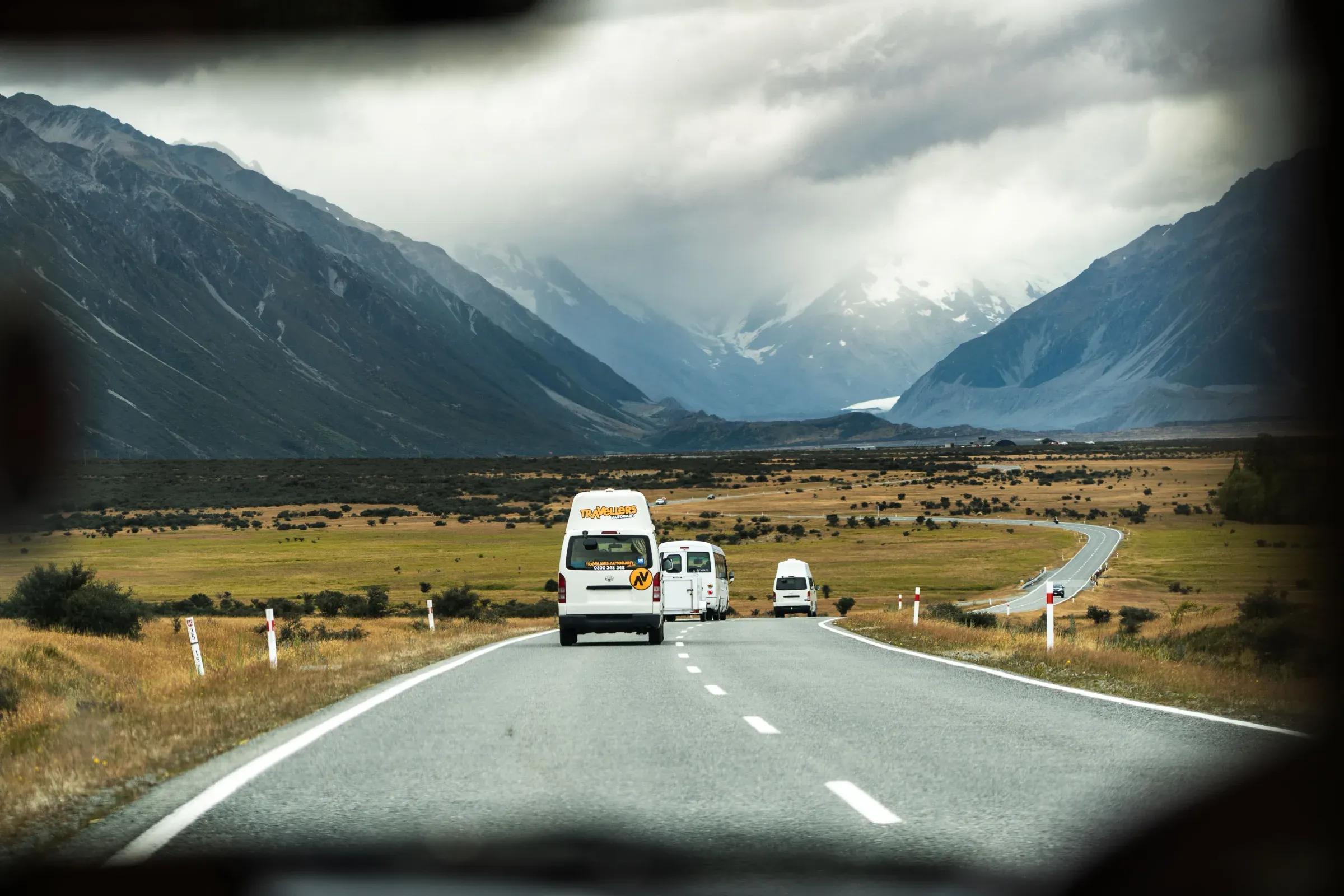
For a lot of travelers, Rotorua is a natural stop on a North Island road trip. It's right in the middle of popular spots like Hobbiton, Lake Taupo, Waitomo and the Coromandel. If you're traveling through New Zealand by campervan, Rotorua is an ideal place to stay for a day or more.
What makes Rotorua special?
Rotorua sits in an active volcanic zone, so you'll find geysers, hot springs, mud pools and steaming landscapes here. It's one of the most geothermally active areas in New Zealand, and you can see, smell and feel it everywhere.
Māori culture also plays a big role in Rotorua. In several places you can experience traditional stories, hāngī meals, carving, weaving, music, dance and the way geothermal heat has been part of daily life for generations.
So Rotorua is much more than a place with hot springs. It's where nature, culture and history come together in a way you won't find anywhere else.
Geothermal areas in Rotorua
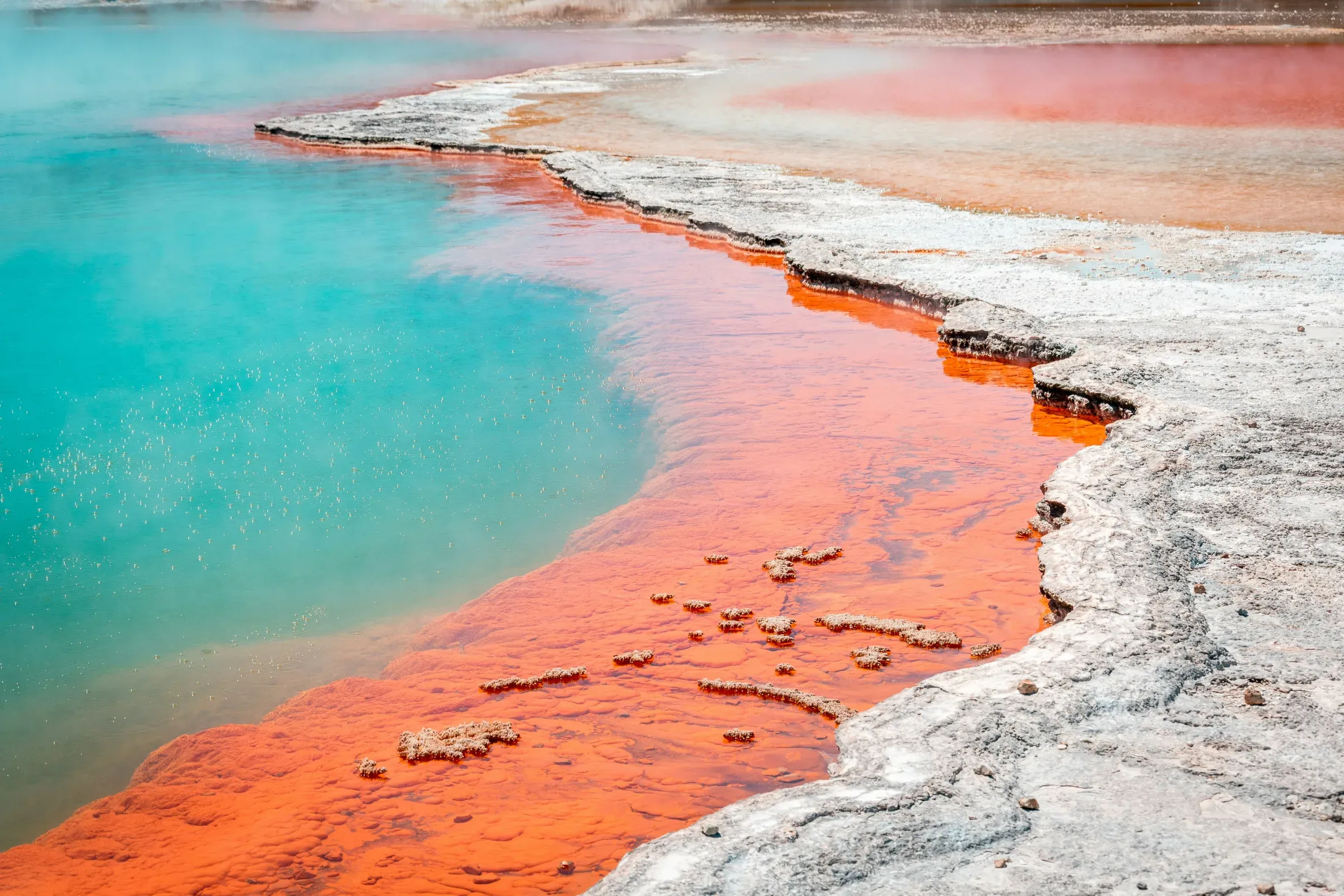
A trip to Rotorua isn't complete without a visit to a geothermal park. There are several places where you can see bubbling mud pools, colorful minerals, steam and geysers.
One of the best known is Te Puia, in the Whakarewarewa Thermal Valley. This is home to the famous Pōhutu Geyser, the largest active geyser in the Southern Hemisphere. Te Puia is also home to the New Zealand Māori Arts and Crafts Institute, where you can watch traditional wood carving and weaving.
Whakarewarewa, The Living Māori Village is another special place. People still live here in an active geothermal area and use the natural heat for cooking, bathing and heating. It's a very authentic way to see how culture and nature are connected here.
If it's mainly the raw geothermal side you're after, there are places like Hell's Gate, known for its mud pools, steam, sulfur springs and mud baths. Rotorua has plenty of options, whether you're looking for nature, culture or relaxation.
Māori culture in Rotorua
Rotorua is one of the best places in New Zealand to experience Māori culture. You can book all kinds of cultural experiences here, from a visit to a living Māori village to an evening of traditional performances and a hāngī meal.
A hāngī is a traditional way of cooking where food is slow-cooked in a naturally heated underground oven. It's often combined with storytelling, song, dance and an introduction to Māori traditions. These evenings are popular with travelers, and they can be really meaningful if you pick a good company that shares the culture in a respectful, personal way.
Te Pā Tū is a well-known cultural experience in Rotorua that introduces you to Māori traditions, hospitality and stories. Te Puia and Whakarewarewa also combine geothermal landscapes with culture and history. I went to Mitai Maori Village myself on my New Zealand road trip. Expect an evening full of culture and some of the most delicious traditionally cooked food you'll ever have. It's one of the highlights that has stuck with me the most.
Don't think of a Māori cultural experience as "just a show". See it as a chance to understand more about the country you're traveling through. New Zealand is much more than beautiful scenery, and Rotorua is a good place to add that deeper layer to your trip.
Staying overnight in Rotorua with a campervan
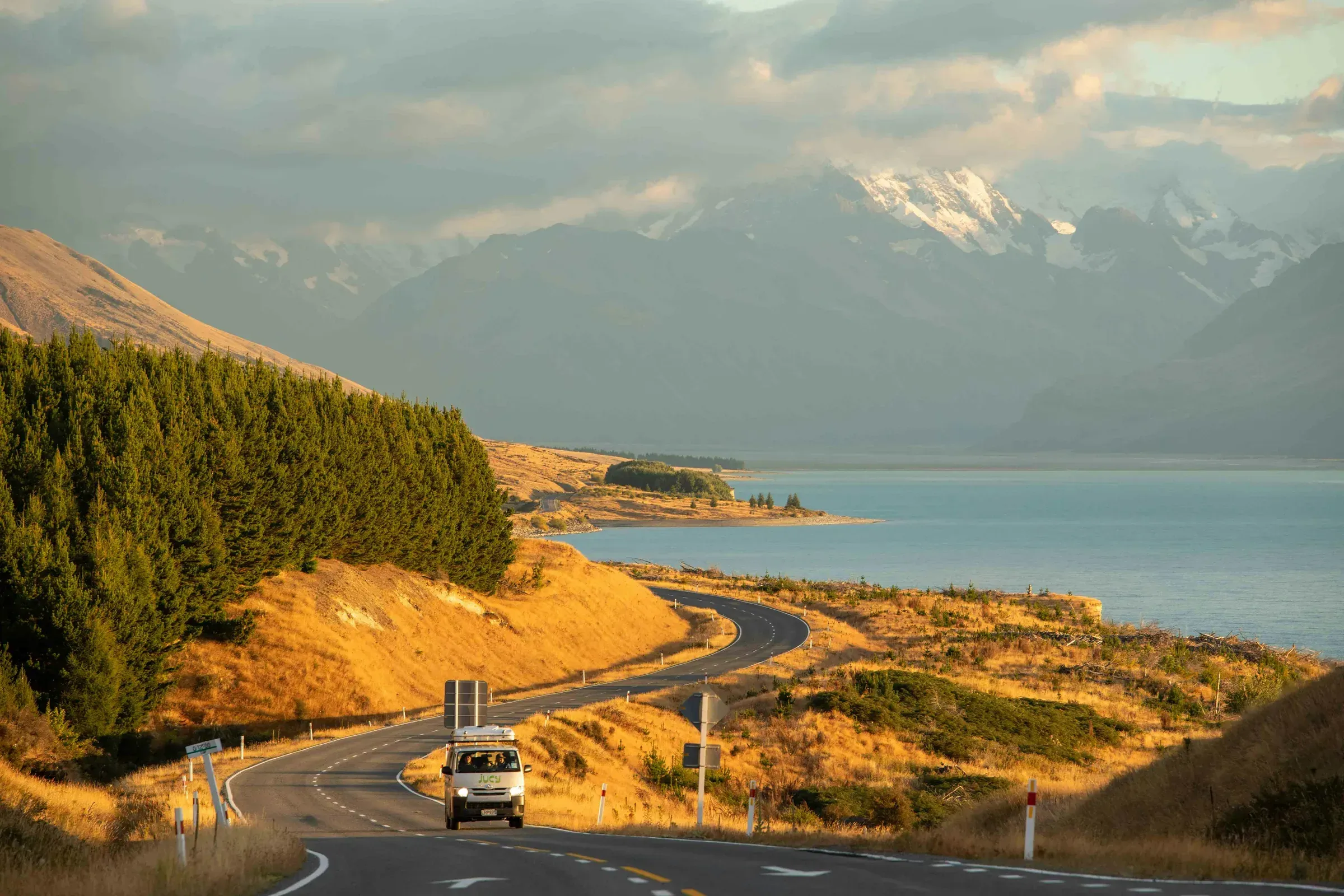
If you're traveling through New Zealand by campervan, Rotorua is an easy place to spend the night. In and around the city you'll find several holiday parks and campgrounds with good facilities like showers, kitchens, washing machines and powered sites.
Because Rotorua is so central, you can easily stay several nights and do different activities from your campground. A lot of the sights are a short drive from each other, so you don't have to reshuffle your whole route every day.
Freedom camping in and around Rotorua is limited and depends on local rules. Always check carefully where you're allowed to park for the night, especially if you're traveling in a self-contained campervan. If you want convenience and comfort, a holiday park is often your best bet.
How much time do you need in Rotorua?
I'd give Rotorua at least one full day, but two nights is often better. That gives you enough time to visit a geothermal area, go to a Māori cultural experience and maybe soak in a hot pool or take a walk in the Redwoods Forest.
If you have more time, Rotorua pairs well with Hobbiton, Lake Taupo or Waitomo. That makes it a perfect fit for a North Island road trip route.
Practical tips for Rotorua
- The sulfur smell in Rotorua takes some getting used to, but it comes with the area. After a while you usually notice it less. Also, bring clothes that can get dirty if you're planning on mud baths or outdoor activities.
- Book popular cultural experiences and geothermal tours ahead of time, especially in peak season. Rotorua is a well-known destination and some activities fill up fast.
- Always respect the local culture and rules. Many places have deep meaning for Māori communities. Stay on the paths, follow your guides' instructions and treat your visit as more than just a tourist stop.