Contents
The best time to travel to New Zealand depends entirely on what you want from your trip. The country is great to visit year-round and, just like the Netherlands, has four seasons.
Good to know: the seasons are flipped. When it's winter in the Northern Hemisphere, it's summer in New Zealand, and the other way around. The same goes for spring and fall.
Best time to visit New Zealand
Most travelers visit New Zealand in the warmer months. In general, the best time to go is between October and April.
- February to April: the most stable and pleasant period
- October & November: beautiful spring months, but a bit more changeable
- December & January: warm, but busier and more expensive
The North Island generally has a milder climate than the South Island. In spring the weather can still be fairly unpredictable, especially on the South Island, where it turns colder and wetter more quickly. In late summer and early fall, temperatures are at their most pleasant and stable all over the country.
Traveling in December and January: yes or no?
I'm calling out December and January on purpose. This is peak season in New Zealand. It's not just international travelers on the road: New Zealanders and Australians are on vacation too.
That means:
- Busy campgrounds at popular spots
- Higher prices for campervans and activities
- Less flexibility, because you need to book more ahead
Should you skip this period? Not at all. New Zealand rarely feels truly crowded, because the country is so big and people spread out well. Just expect to plan a bit more than in other months.
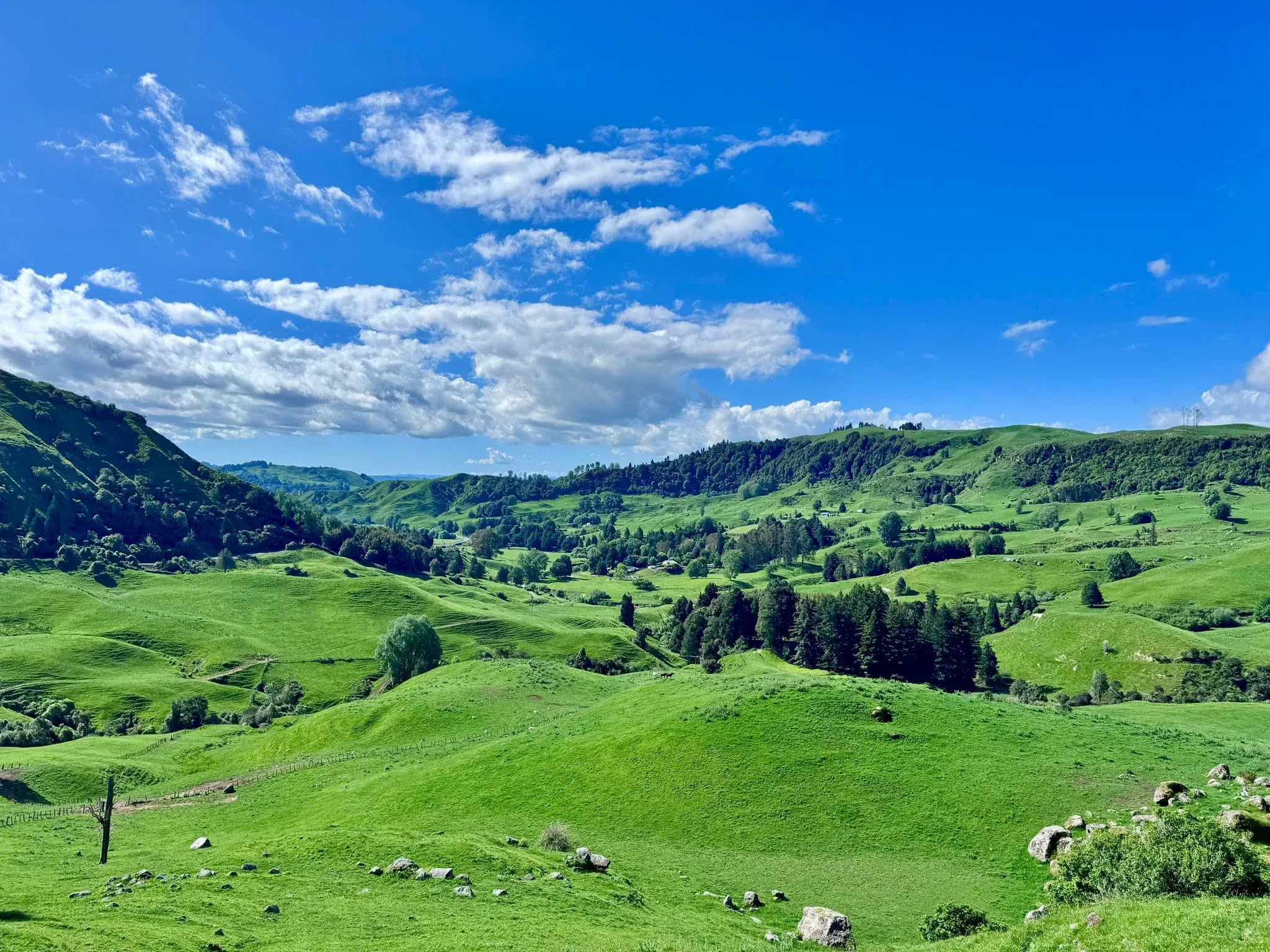
Best time to visit the North Island
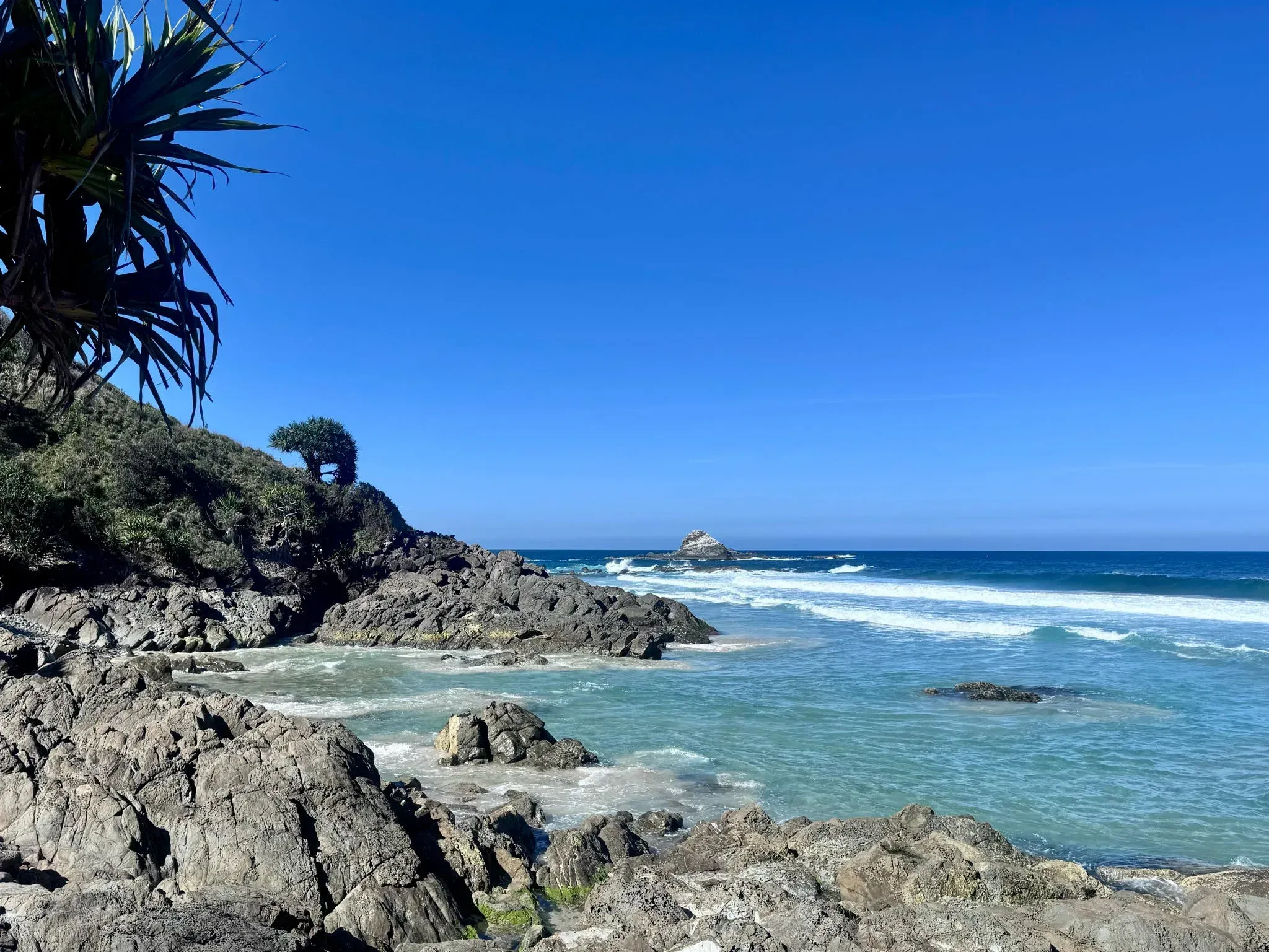
New Zealand's North Island has a temperate maritime climate with warm summers and mild winters. In the far north, above Auckland, it's even subtropical, so temperatures are pleasant all year.
The warmest months are December through February. That's the New Zealand summer, but also the busiest and most expensive time, especially December and January because of the summer vacation.
Want to avoid the crowds and still get good weather? Then October and November (spring) and March and April (fall) are the best times to visit the North Island. In spring you get pleasant temperatures and everything in bloom, while in fall it gets quieter and the weather is still nice and warm.
The edges of these seasons, like early spring and late fall, are also great times to travel. Temperatures are milder then, which makes it ideal if you love hiking and getting out into nature.
Best time to visit the South Island
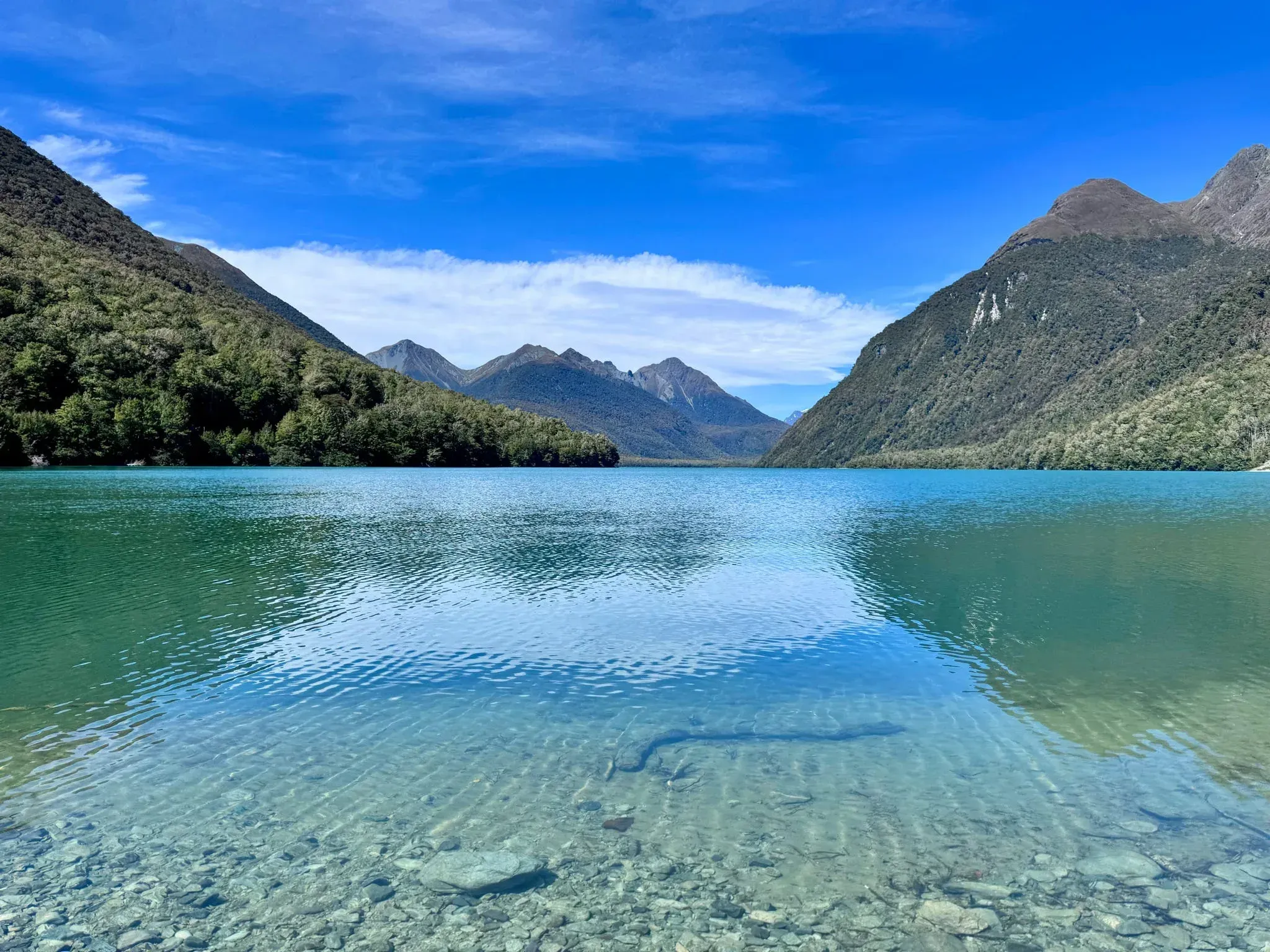
New Zealand's South Island has a temperate maritime climate with cool, crisp winters and mild summers. The mountains create big regional differences, and the weather can change fast. The west coast, for example, is a lot wetter and windier, while the east coast is drier and sunnier. To give you an idea: on the west coast it rains about 200 days a year on average.
Want the warmest temperatures and the best chance of dry weather? Then December through February are the best months for a road trip around the South Island. It's nice and warm, and it's the ideal time for outdoor activities like hiking and exploring the national parks.
Keep in mind that this is also peak season. Especially from mid-December to the end of January it's busier because of the local school vacation, and prices for campervan rental, campgrounds and activities go up.
Want a better balance of good weather, peace and quiet, and price? Then November and March are ideal. Temperatures are pleasant, nature is at its best and it's a lot quieter. Prices are often lower than in high season, too.
Still, the weather on the South Island stays unpredictable. Even in summer you can get several seasons in one day, while in spring and fall you might actually get longer stretches of stable, sunny weather. A bit of flexibility and some luck with the weather really make the difference here.
Winter in New Zealand
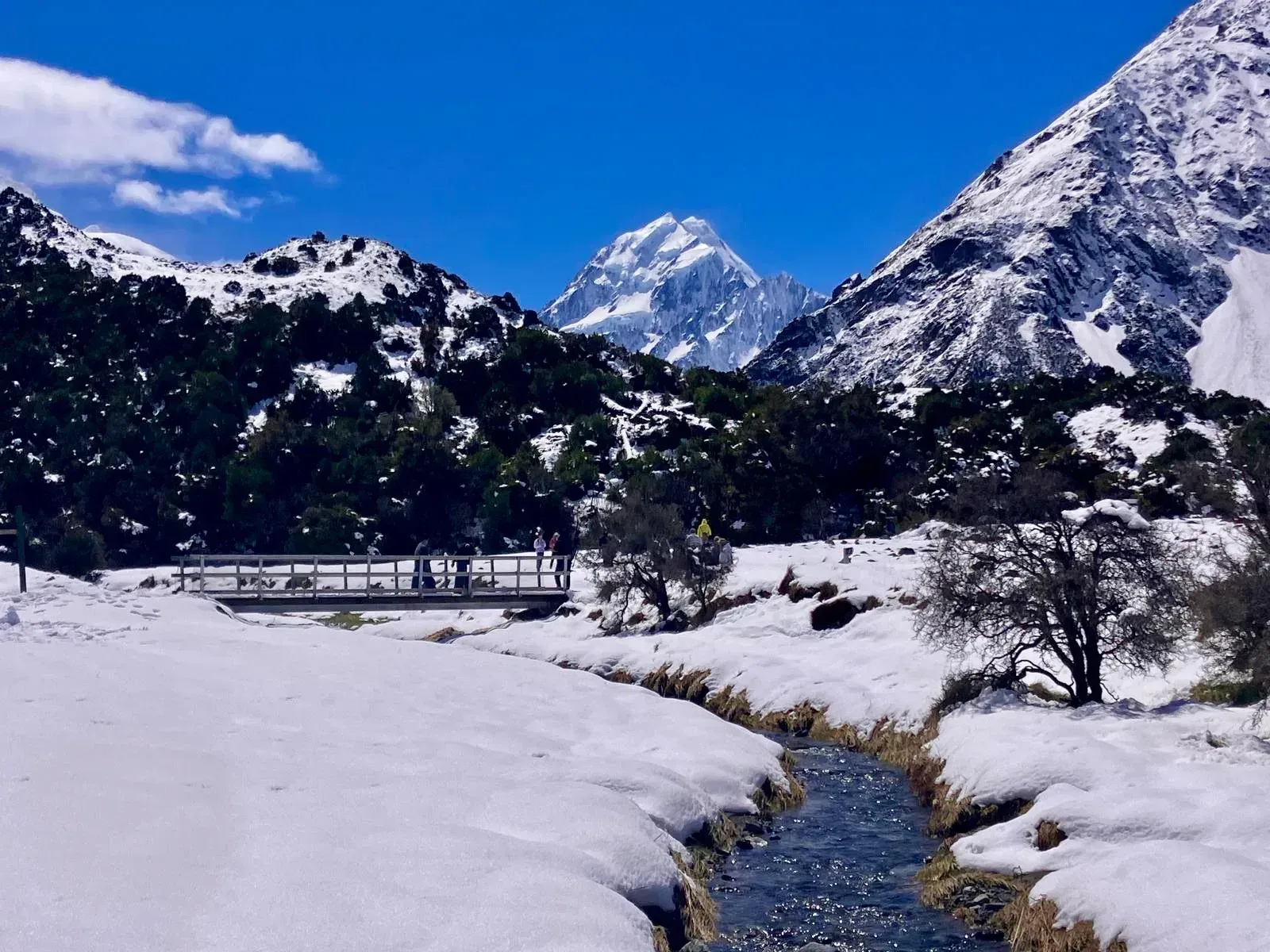
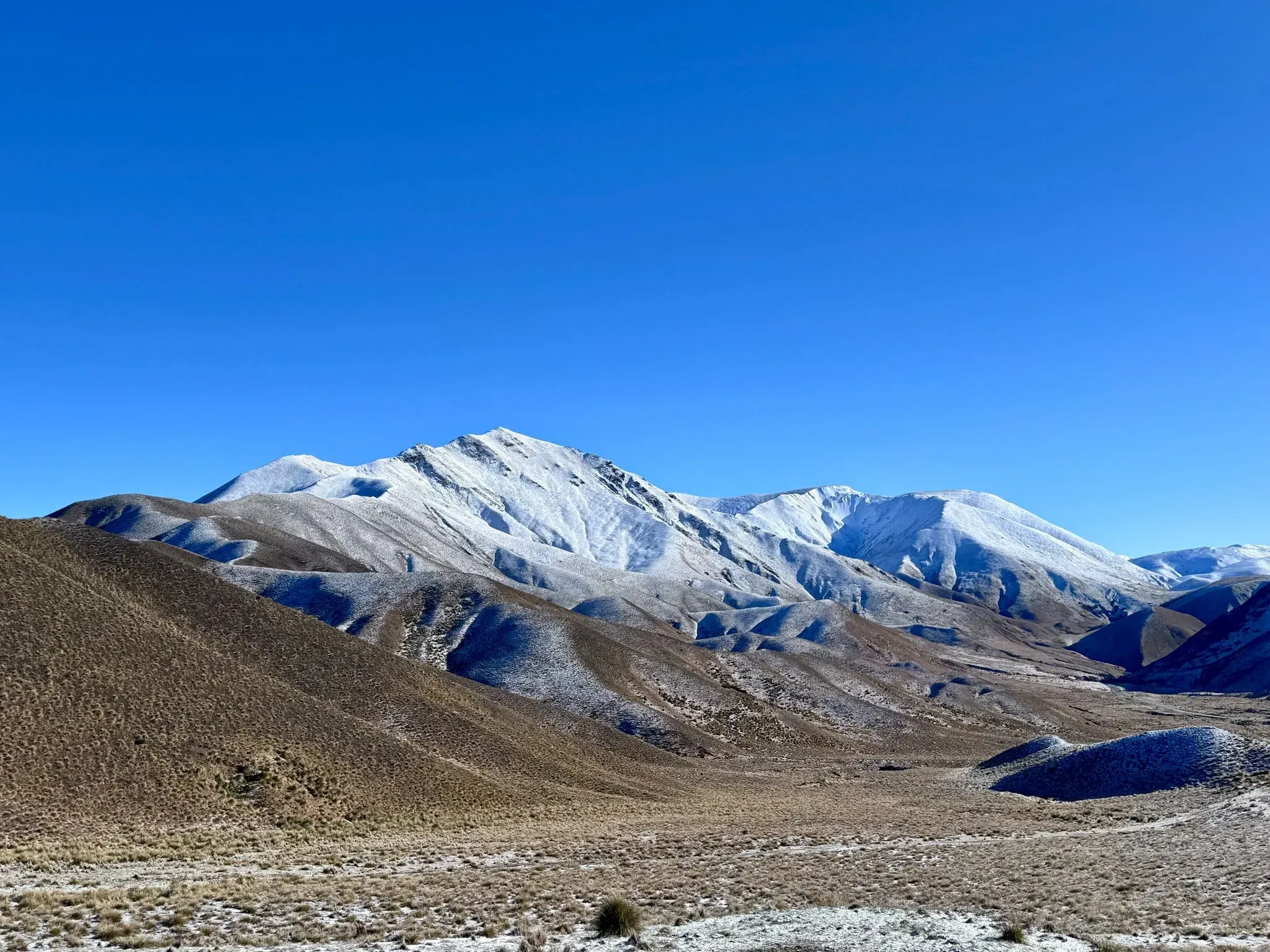
Winter in New Zealand can be surprisingly special. If you're traveling on a tighter budget, it's actually one of the best times to go. Campervan prices are a lot lower, and many landscapes turn into a beautiful winter scene.
On the South Island especially, you do need to plan for winter conditions. Roads can be snowy or icy and sometimes even close for a while. So you need to stay flexible and adjust your plans now and then.
If you rent a campervan in this season, snow chains are often included, but think carefully about whether you're comfortable driving in winter conditions.
In short: traveling in winter is cheaper and unique, but it takes some extra preparation and flexibility.